How chamoy candy is made: the small-batch process
People ask us all the time what's actually inside a piece of chamoy candy, and how it gets there. The short answer: candy, real chamoy sauce, our spicy chili limón blend, and a lot of hand-tossing. The long answer is what this post is for.
If you want to know what goes into your bag of Chilli Bomba (or any small-batch chamoy candy), this is a walkthrough of every step. Useful if you're new to chamoy, useful if you want to compare what good chamoy candy looks like vs. what mass-market versions skip.
Step 1: Sourcing the candy base
Every chamoy candy starts with the candy itself. The gummy, belt, dried fruit, or hard candy that's going to get coated. The quality of this base matters more than people think. A bad gummy turns sad even with the best chamoy on it.
Our gummy and belt bases are sourced from candy makers who hit our taste and texture spec. We're picky about chew, springiness, fruit flavor strength, and how well the base holds chamoy without getting soggy. The base is the foundation of the final taste.
Step 2: The chamoy sauce
This is where chamoy candy starts being chamoy candy. We use real Mexican-style chamoy sauce, imported from Mexico, made from pickled fruit (a mix of apricot, plum, and mango depending on the batch), salt brine, lime juice, chili powder, and a touch of sugar.
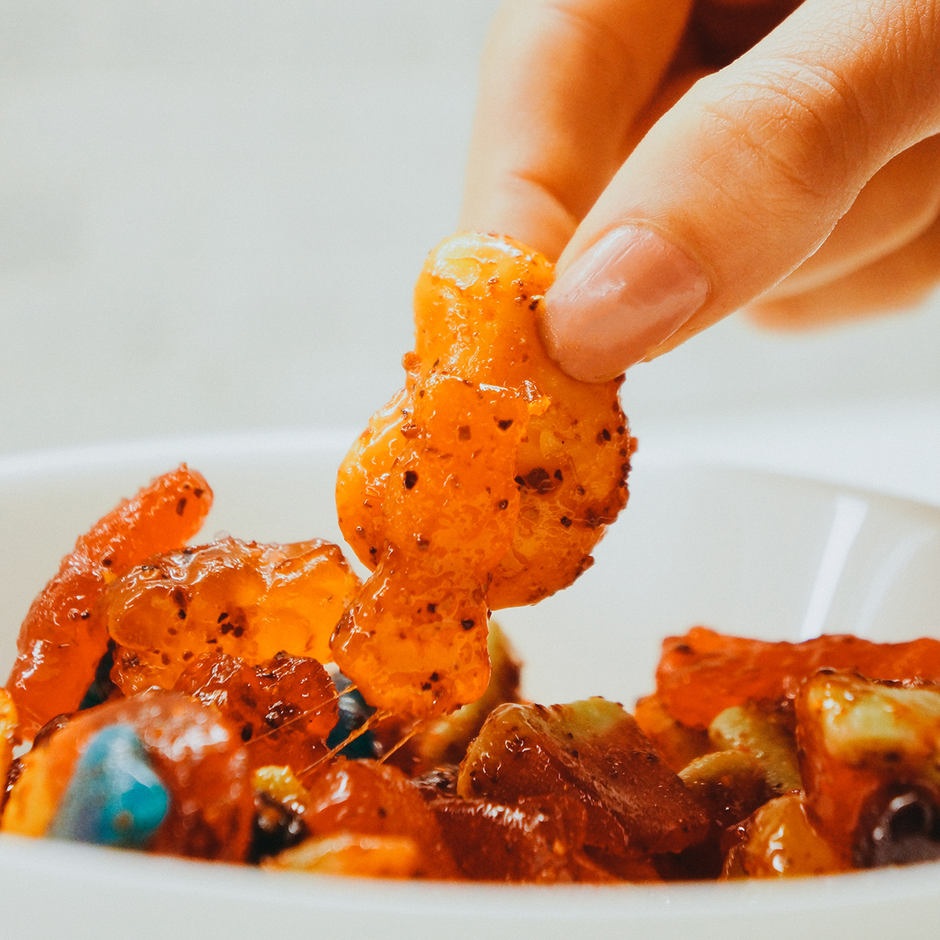
Real chamoy sauce looks dark red, almost cherry-colored, and slightly glossy. It smells like sour pickled fruit with chili on top. The smell alone is half the experience. This is the ingredient that mass-market “chamoy candy” often skips by using chili-lime dust without the underlying sauce, and it's the single biggest factor in whether the candy actually tastes like chamoy.
Step 3: The spicy chili limón blend
Once the candy is coated in chamoy sauce, our own spicy chili limón blend goes on. It's a mix of mild Mexican chilis: chile de árbol for the sharp warmth, guajillo for the deeper fruity heat, and a small amount of ancho for body. Plus salt, sugar, lime, and a few spices we keep close to the vest.
The blend is medium heat by design. It builds slowly and lifts the chamoy underneath instead of overwhelming it. When we push the heat further, we do it with real chilies rather than a pure chili extract. Extract inflates the number on the label and buries the flavors that make chamoy good in the first place.
Step 4: Coating and mixing
This is where the candy becomes chamoy candy. We apply real chamoy sauce to the candy base, then toss and mix the batch by hand so every piece gets coated evenly. Once the chamoy sauce is on, we apply our own spicy chili limón blend on top and toss again. The toss and mix is what spreads the flavor across every piece instead of leaving it pooled on a few.

Mass-produced chamoy candy gets one quick spray or dust before going into bags. The flavor sits on the outside only. Hand-tossing the chamoy and chili blend spreads it evenly so every piece in the bag actually tastes like chamoy.
Step 5: Rest and inspect
After coating, the candy rests so the chamoy can settle and the coating can stabilize. During this rest, we hand-pick out any pieces that look weird (broken, under-coated, over-coated, or with extra chili clumps). The reject pile is real, and we taste-test the batch before it goes into bags.
This is where small-batch production has a structural advantage. We see every piece. Mass-production lines don't.
Step 6: Bagging and shipping fresh
Finished candy goes into our 4 oz mini bags or 8 oz share-size bags. We bag in small lots, not warehouse pallets, and most orders ship within a few days of being made.

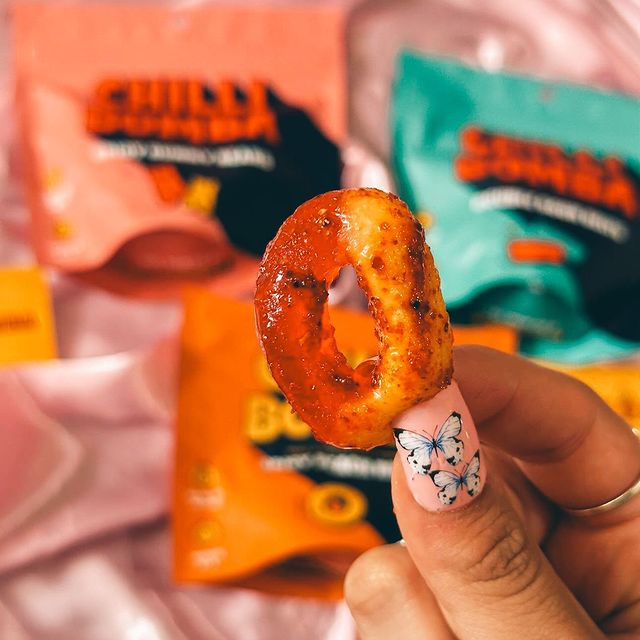
That last part (shipping fresh) is one of the things you can taste. Chamoy candy that's been sitting in a warehouse for months loses its tang. The pickled-fruit notes mellow, the chili dust dries out, the coating gets dull. Fresh chamoy candy is bright, glossy, and aggressive. The difference is obvious if you ever taste them side by side.
Why does small batch make a difference?
The whole process above takes time. Mass-production exists to skip most of it. When chamoy candy is made at industrial scale, a few things tend to happen:
-
Real chamoy sauce gets skipped. Faster to dust everything with chili-lime powder and call it chamoy.
-
Distribution gets uneven. One quick spray or dust instead of hand-tossing means the flavor sits on the outside, not spread across every piece.
-
The candy sits. Made on Monday, sits in a warehouse for 90 days, ships in March, sits at a distributor, hits the shelf in May. That's a long time for fresh flavors to fade.
Each of these steps individually doesn't sound like much. Stacked together, they're the difference between candy that tastes like real chamoy and candy that tastes like chili-dusted gummies.
The family-owned, LA-made part
Chilli Bomba is a family-owned small business in Los Angeles. We make our candy in our own commercial kitchen, by hand, at least twice a week. There's no factory line. There's no warehouse holding 90-day inventory. The team is small, the kitchen is busy, the candy is fresh.

We started this brand because we grew up on Mexican chamoy candy and couldn't find a small-batch version in the US that tasted like the real thing. So we made it. Every bag you order is from the most recent batch.
Frequently asked questions about how we make it
Do you make the chamoy yourselves?
The chamoy is sourced from Mexico. The chili-lime blend that goes on top is our own, and the coating and mixing are done by hand in our kitchen.
How often do you make fresh batches?
Two to three times a week, year round.
Why does hand-coating matter?
Even coverage. A machine either under-coats and leaves bare candy or over-coats and turns it into a wet clump. Hands can feel when a batch is right.
Why is chamoy candy sticky?
The coating is hygroscopic, meaning it pulls moisture out of the air. That is normal, and it is a sign the coating is real rather than a dry dusting.
Does chamoy candy need refrigerating?
No. Keep it sealed, cool and dry, out of direct sun. Refrigeration adds condensation, which makes the stickiness worse.
How long does it keep?
Nine months and up stored properly. Heat and humidity shorten it, age alone does not.
How do you keep batches consistent?
Fixed ratios, the same chamoy and blend every time, and a rest-and-inspect step before anything is bagged.
Which flavor best shows off the process?
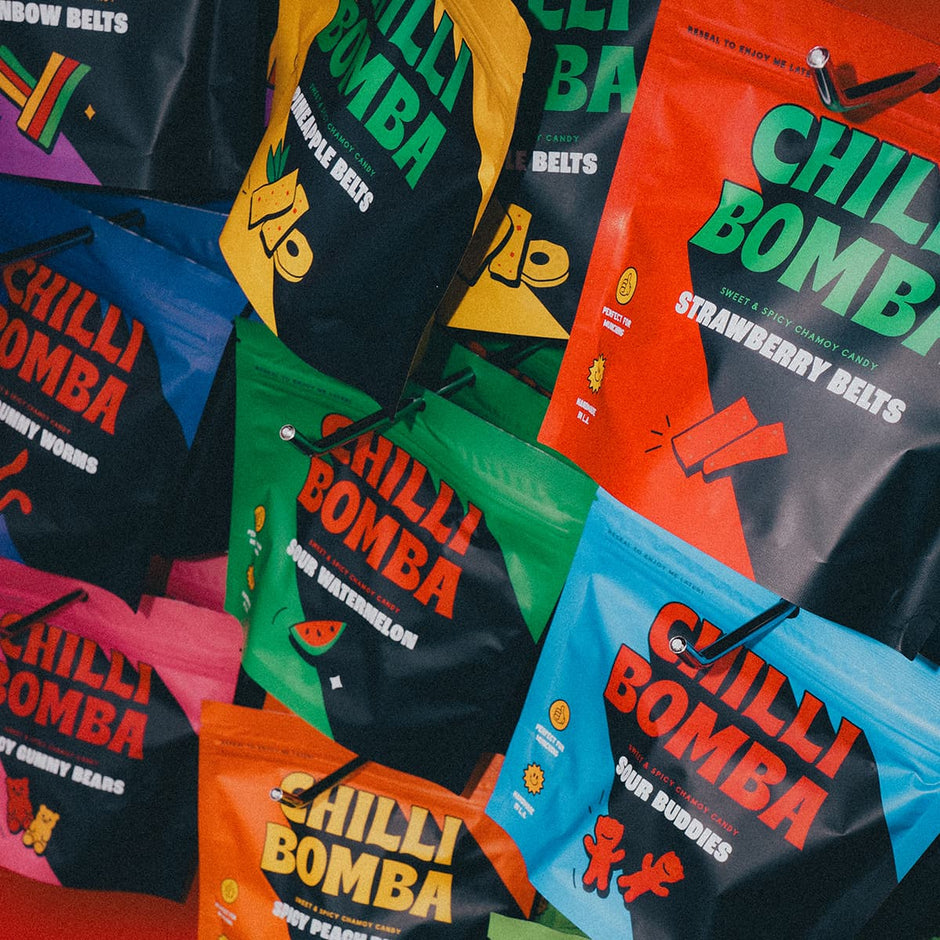
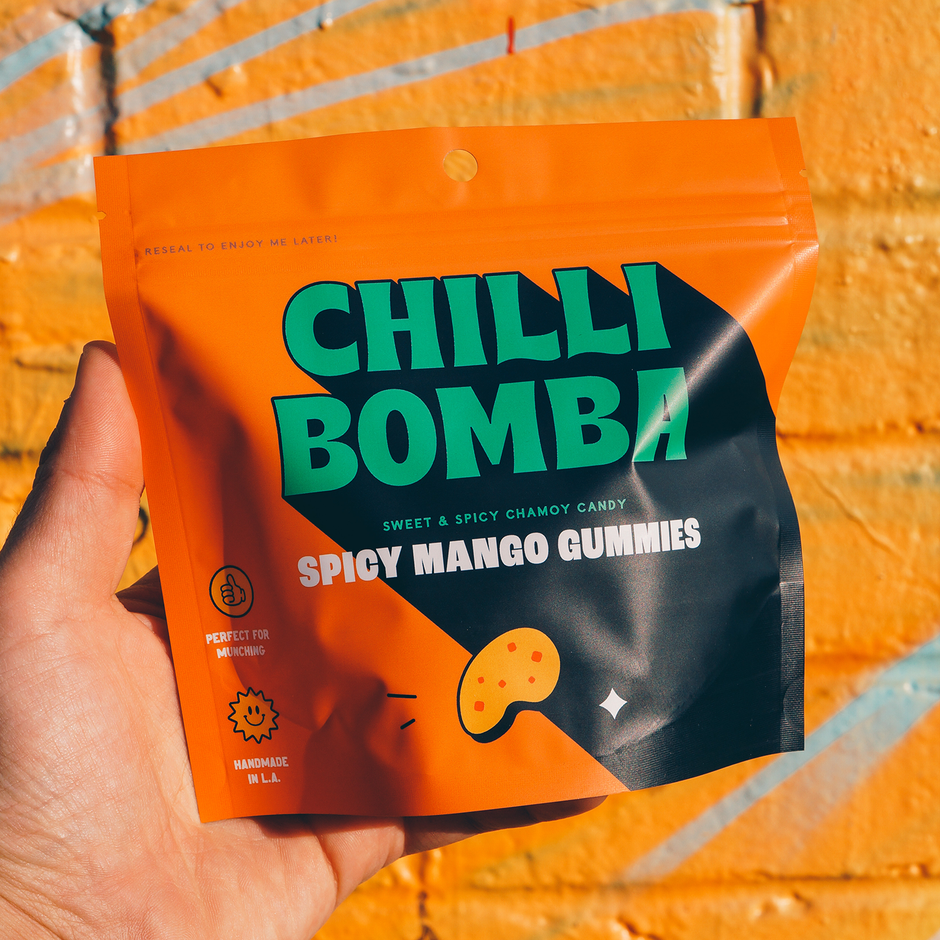
Spicy Mango Gummies. Real mango under a real chamoy coat is the clearest example of what the two layers do. The full lineup is here.
The bottom line
Chamoy candy is technically just candy plus chamoy plus chili. But whether the chamoy sauce is real, whether the coating is spread evenly across every piece, and how fresh the batch is when you eat it, are the three things that separate great chamoy candy from forgettable chamoy candy.
Want to taste the difference? Shop our chamoy candy collection. Hand-made in LA, shipped fresh, in 4 oz mini bags or 8 oz share-size.